Certified Filter Housings and Prefabricated Pipe Sections for Factory Production: The Core Assurance and Efficient Solution for Modern Refrigeration Engineering
Release date:
2026-01-14
Certified Filter Housings and Prefabricated Pipe Sections for Factory Production: The Core Assurance and Efficient Solution for Modern Refrigeration Engineering
Throughout the entire lifecycle of refrigeration and air-conditioning systems, system cleanliness control, adaptability to low-temperature operating conditions, and construction efficiency are key factors that determine equipment reliability, energy consumption levels, and operation & maintenance costs. Certified refrigeration filter cartridges, low-temperature certified filter cartridges, and certified filter cartridges for refrigeration units—acting as core protective components for system cleanliness—when integrated with factory-prefabricated pipe sections, have established a modern refrigeration engineering technology system characterized by "precise filtration + efficient installation + compliant operation." This system provides reliable support for refrigeration needs across a wide range of sectors, including pharmaceuticals, electronics, food cold chains, and industrial manufacturing.
1. Certified Filter Cartridge: The “Safety Guardian” and Compliance Cornerstone of Refrigeration Systems
During the operation of refrigeration systems, solid impurities, moisture, and acidic substances mixed in with refrigerants and refrigeration oils can easily cause compressor wear, valve sticking, and heat exchanger blockages—issues that severely compromise system efficiency and service life. The core value of certified refrigeration filter cartridges lies in their ability to prevent these risks at the source through precise filtration and compliance certification. Their technical features and certification requirements together form the product’s key competitive edge.
(1) Core Technical Features: Compatible with Diverse Refrigeration Operating Conditions
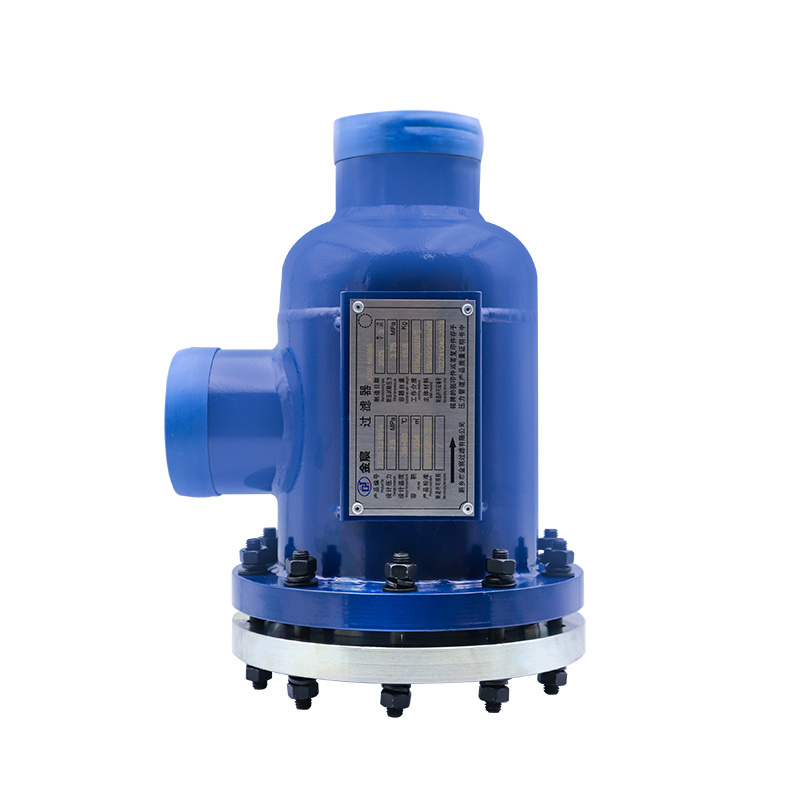
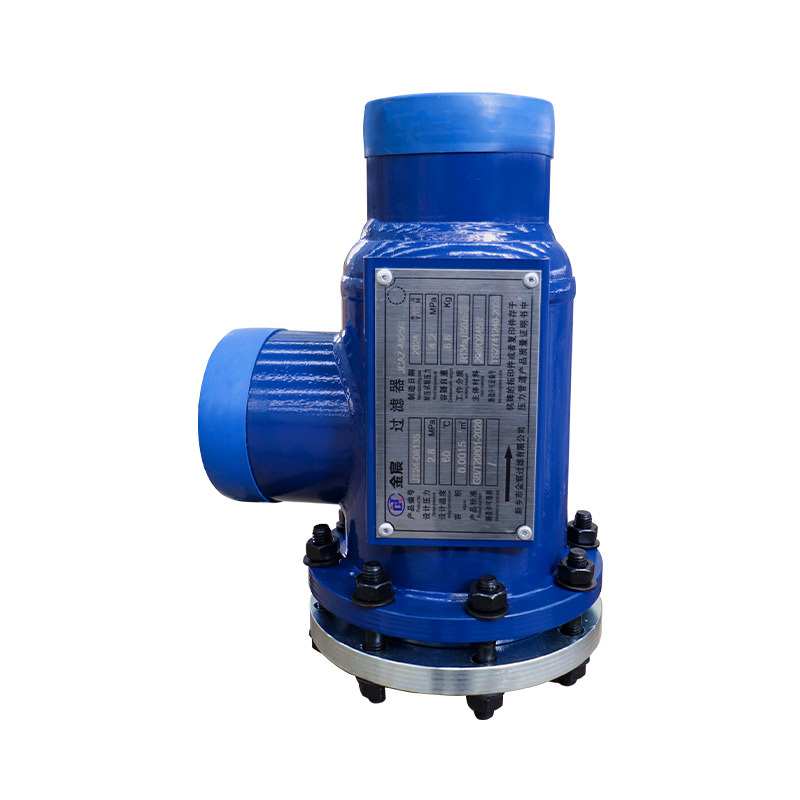
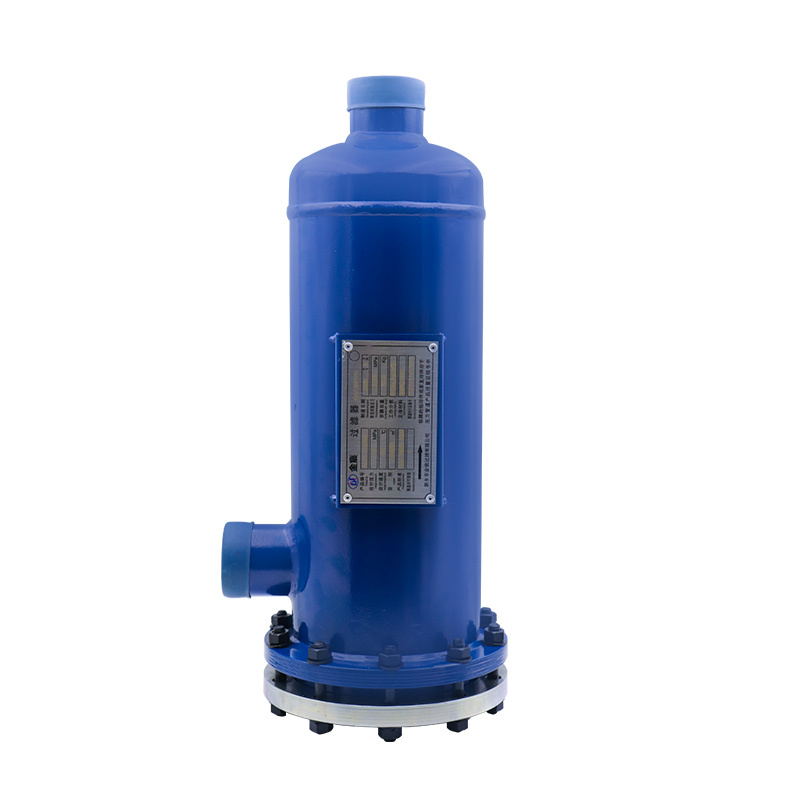
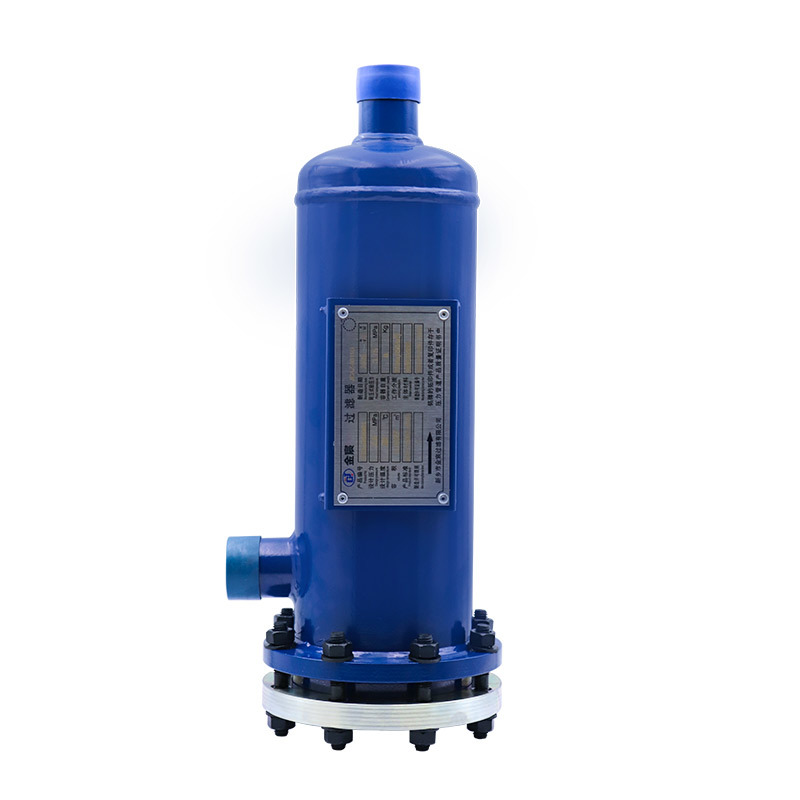
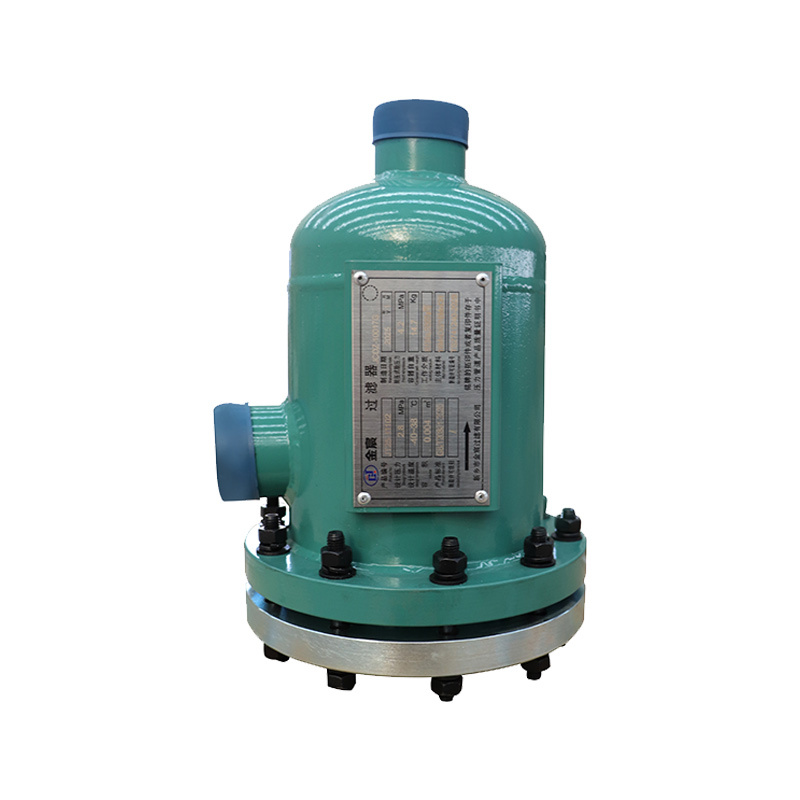
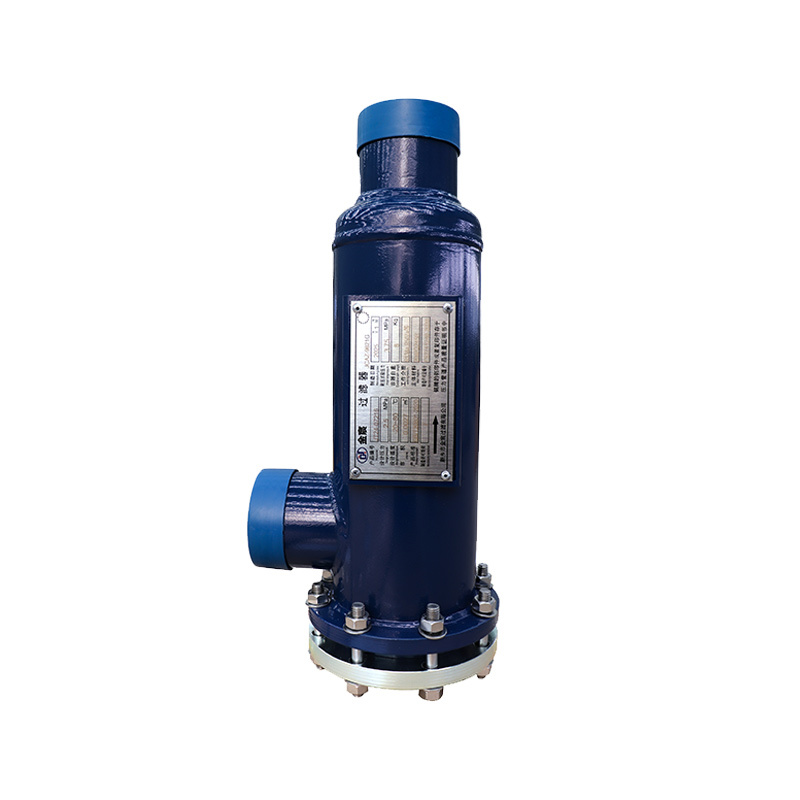
The refrigeration filter bucket with certification adopts a modular structural design. Its outer shell is made of high-strength steel and treated with epoxy resin electrostatic powder coating, offering excellent corrosion resistance and impact resistance, making it suitable for long-term use in complex industrial environments. As the core functional component, the filter element is configured differently depending on the application scenario: For liquid-line filtration applications, solid desiccant filter elements such as D-48/H-48 are used, which can efficiently adsorb moisture and acidic substances; for suction-line filtration applications, fiber pleated filter elements like X-48/X-100 or stainless steel filter elements are selected to precisely trap solid impurities, achieving filtration accuracy down to the micrometer level. The product design emphasizes low-pressure-drop characteristics—under fully open conditions, the pressure loss is minimal, effectively preventing the filtration process from reducing the system’s cooling capacity.
For low-temperature refrigeration applications—such as cold-chain warehousing below -40℃ and low-temperature test chambers—low-temperature certified filter cartridges have undergone specialized technical optimization. By selecting low-temperature-resistant filter media and sealing materials, we have addressed issues such as filter media embrittlement and sealing failures in low-temperature environments. At the same time, we have optimized the filter element’s structural design, enhancing its adsorption capacity and filtration stability in low-temperature media, thereby ensuring that it maintains high-efficiency filtration performance even under extreme operating conditions. As for refrigeration unit-certified filter cartridges, greater emphasis is placed on their compatibility with the units themselves. We customize interface dimensions and filter element parameters according to the unit’s cooling capacity and refrigerant type (such as R22, R134a, R410A, etc.), enabling seamless integration with the unit and providing dedicated protection for the unit’s core components.
(2) Certification System: A Robust Guarantee for Compliant Operations
The “certification” accompanying the filter cartridge is not only a testament to product quality but also a prerequisite for the system’s compliant operation. Currently, mainstream industry certifications include the domestic JB/T 11213—2011 standard certification for liquid-line filters and liquid-line dryer filters used in refrigeration and air-conditioning systems, as well as the internationally recognized CE certification. The certification assessment criteria cover critical parameters such as air tightness, corrosion resistance, strength requirements, water absorption capacity, and acid removal capability. For example, according to JB/T 11213—2011, under the maximum working pressure, the leakage rate of the filter should not exceed 2.8 g/year, and the water absorption and acid removal capacities must be no less than 90% of the values explicitly stated.
For special sectors such as food and pharmaceuticals, products must also meet environmental certification requirements like REACH and RoHS, ensuring that they are free from harmful substances such as lead, mercury, and cadmium, thereby minimizing the risk of contamination when in contact with food or pharmaceuticals. The stringent requirements of these certification systems enable our certified filtration series to meet compliance needs across various industries and provide robust guarantees for the safe operation of systems.
II. Factory-Prefabricated Pipe Sections: A Revolutionary Approach for Efficient Implementation of Refrigeration Projects
In traditional refrigeration system construction, processes such as pipe cutting, welding, and assembly are all carried out on-site, leading to issues like long construction periods, low precision, and significant cold-loss. The factory-prefabricated pipe sections, adopting a model of “high-precision factory manufacturing + modular on-site assembly,” have completely transformed conventional construction methods.
The inefficient situation has become the core support for the efficient implementation of modern refrigeration engineering.
(1) Core Advantages: Precision, Efficiency, and Energy Saving
Prefabricated pipe sections manufactured in a factory environment maintained at constant temperature and humidity are processed using CNC equipment, ensuring dimensional accuracy within ±1 millimeter—far superior to the 5-millimeter tolerance standard typically found in conventional on-site construction. This significantly enhances the sealing performance of pipe connections and effectively reduces cooling energy loss. Data shows that refrigeration systems using prefabricated pipe sections can reduce cooling energy loss from the traditional 30% down to just 8%, while pipe leakage rates have been markedly reduced; in some projects, zero leaks have even been achieved over an entire year.
In terms of construction efficiency, factory-based prefabrication shifts a large number of on-site processes to the factory for completion, leaving only lifting, assembly, and pipeline connections to be carried out on-site—thus shortening the project schedule by more than 90%. For example, in a cold-energy retrofit project at an aging electronics plant in the Pearl River Delta, after adopting prefabricated components, the system assembly and commissioning were completed in just five days. Compared with the traditional four-month construction period, this approach not only avoided production downtime losses totaling 1.8 million yuan but also significantly reduced initial investment costs. Moreover, during the prefabrication process, BIM-based 3D simulation technology can be used to detect pipeline clashes and optimize layouts, reducing material waste by 15%, increasing data center space utilization by one-third, and substantially lowering initial investment costs.
(2) Integrated compatibility with the filter bucket: Enhancing the overall system reliability
The integrated application of factory-prefabricated pipe sections with certified filter housings further enhances the overall reliability of the refrigeration system. During the factory prefabrication stage, components such as certified refrigeration filters and low-temperature certified filters can be pre-integrated into the pipe section modules according to the system design. This process includes interface matching, pressure testing, and coordinated commissioning, ensuring that the modules are ready for “plug-and-play” installation upon arrival on site. This integrated approach not only prevents secondary contamination during on-site installation of filtering components but also reduces errors in on-site interface connections, thereby improving the synergistic operational efficiency between the filtration system and the piping system.
For example, in large-scale refrigeration unit projects, the certified filter housings for the refrigeration units can be prefabricated together with the corresponding pipe sections. At the factory, precise alignment and sealing tests are conducted between the filter housings and the unit interfaces. On-site, all that’s required is to connect the prefabricated pipe section modules to the main body of the unit, thereby completing system integration and significantly shortening the installation and commissioning period of the unit.
III. Collaborative Application: Building a Full-Lifecycle Assurance System for Modern Refrigeration Systems
The synergistic application of certified filter cartridges with factory-prefabricated pipe sections is not merely a simple assembly of components; rather, it establishes a comprehensive lifecycle assurance system spanning design, construction, operation, and maintenance. During the design phase, 3D simulation technology is employed to optimize the layout of filtering components and prefabricated pipe sections. In the construction phase, the efficient splicing of prefabricated modules and the pre-integration of filtering components help shorten construction periods and enhance precision. During the operation phase, certified filter cartridges continuously ensure system cleanliness, reducing equipment wear and energy consumption. In the maintenance phase, the standardized interfaces between the replaceable-filter-cartridge-equipped certified filter cartridges and the prefabricated pipe sections make filter cartridge replacement and pipeline maintenance more convenient, thereby lowering operational and maintenance costs.
From the perspective of application cases, the Longhu Shidai Tianjie Chiller Station project adopted a modular prefabrication approach featuring “3 chillers + 10 pump modules,” coupled with integrated refrigeration units equipped with certified filter tanks. This approach reduced the on-site construction period for the 520-meter piping system by 50%. In the Chengdu Dong’an Lake Sports Center project, an 800-square-meter smart machine room was built, achieving millimeter-level installation accuracy and highly efficient operation. These cases fully demonstrate that the synergistic application of these two approaches can simultaneously ensure system reliability and construction efficiency, providing the optimal solution for large-scale, complex refrigeration projects.
IV. Industry Development Trends: Intelligentization, Customization, and Greenization
As the refrigeration industry undergoes a transformation toward intelligence and green practices, certified filter cartridges and factory-prefabricated pipe sections are also showing clear development trends. In terms of intelligence, filter cartridges will integrate IoT technology, using built-in sensors to monitor in real time parameters such as filter element status and pressure differentials, enabling predictive maintenance and intelligent alerts for filter replacement. Prefabricated pipe sections, meanwhile, will be linked with smart control systems and leveraged through digital twin technology to achieve real-time monitoring and operational optimization of piping systems. Regarding customization, specialized filter materials and prefabricated modules will be developed to meet the specific needs of various industries—for instance, ultra-low-temperature certified filter cartridges tailored for cryogenic cold chains, and high-precision filtration and prefabricated integrated systems customized for cleanrooms in the electronics industry. As for greening, material selection will be further optimized, product recyclability will be enhanced, and the environmental impact during manufacturing and operation will be reduced.
Conclusion
Certified refrigeration filter cartridges, low-temperature certified filter cartridges, and certified filter cartridges integrated with refrigeration units—acting as “safety guardians” for refrigeration systems—combined with the “high-efficiency construction” advantages of factory-prefabricated pipe sections, are jointly driving technological upgrades in the refrigeration engineering industry. In future refrigeration projects, the synergistic application of these two components will become even more widespread, providing industries with more reliable, efficient, compliant, and environmentally friendly refrigeration solutions, thereby supporting the refrigeration sector’s transition to high-quality development.
Our website uses cookies and similar technologies to personalize the advertising shown to you and to help you get the best experience on our website. For more information, see our Privacy & Cookie Policy
COOKIES
Our website uses cookies and similar technologies to personalize the advertising shown to you and to help you get the best experience on our website. For more information, see our Privacy & Cookie Policy
These cookies are necessary for basic functions such as payment. Standard cookies cannot be turned off and do not store any of your information.
These cookies collect information, such as how many people are using our site or which pages are popular, to help us improve the customer experience. Turning these cookies off will mean we can't collect information to improve your experience.
These cookies enable the website to provide enhanced functionality and personalization. They may be set by us or by third-party providers whose services we have added to our pages. If you do not allow these cookies, some or all of these services may not function properly.
These cookies help us understand what you are interested in so that we can show you relevant advertising on other websites. Turning these cookies off will mean we are unable to show you any personalized advertising.